The Allure of Uncertainty
The psychology of casino gaming is deeply rooted in the allure of uncertainty. Players are often drawn to games of chance because of the thrill associated with unpredictability. This uncertainty provides an adrenaline rush that can be addictive. When players engage in gambling, they experience heightened emotions, which can lead to a dopamine release in the brain, reinforcing their desire to continue playing. For those interested in other forms of thrill, online poker can also provide a similar adrenaline rush.

Add to this the concept of variable rewards; the sporadic nature of wins creates a compelling narrative that encourages players to return. Gamblers often find themselves in a cycle where the anticipation of a potential win keeps them engaged, despite previous losses. This psychological phenomenon explains why many players repeatedly visit casinos, driven by the hope that their next experience may yield a winning outcome.
The Role of Environment
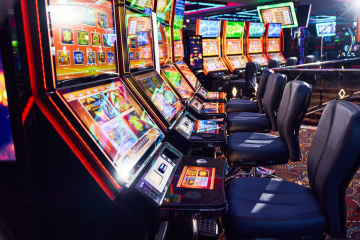
The environment within casinos is meticulously designed to enhance the gaming experience. From flashing lights to immersive sounds, every element serves to stimulate the senses and prolong player engagement. Casinos create a unique atmosphere that fosters excitement and anticipation, making it difficult for players to leave. This careful curation of the environment not only attracts players but also keeps them captivated.
Moreover, the layout of casino floors is strategically planned to maximize player interaction with games. The positioning of slot machines, table games, and other attractions ensures that players are continually exposed to new opportunities to gamble. This deliberate design taps into psychological triggers that compel individuals to explore and participate in various gaming experiences, further entrenching their loyalty to the casino.
Social Interaction and Community
The social aspect of casino gaming plays a significant role in player retention. Many individuals enjoy the camaraderie that comes with gambling, whether it’s sharing a table at poker or celebrating a win with fellow players. This social interaction creates a sense of belonging and enhances the overall experience, making players more likely to return.
Additionally, casinos often host events or promotions that encourage social engagement. By fostering a community among gamblers, casinos can build long-lasting relationships with their patrons. The sense of community that develops can make the act of gambling more enjoyable, leading to increased loyalty and repeated visits.
The Psychological Commitment to Gambling
Once individuals start gambling, they often develop a psychological commitment that can be difficult to break. This commitment can manifest as a strong belief in one’s ability to win, fueled by previous successes or the narratives created by others. Players may convince themselves that they are on the verge of a significant win, which perpetuates their gambling behavior.
This psychological commitment is often compounded by cognitive biases, such as the illusion of control, where players believe they can influence the outcome of games despite the odds. These misconceptions further entrench players in their gambling habits and contribute to their tendency to return to casinos, as they continuously chase the possibility of a favorable outcome.
Discover More on Our Website
At our website, we delve deeper into the various aspects of casino gaming, exploring not just the psychological elements but also strategies and tips for players. Our goal is to provide valuable insights that enhance the gaming experience for both casual and seasoned players alike.
We invite you to explore our resources, engage with our content, and expand your understanding of the intricate world of casino gaming. Whether you’re seeking knowledge or entertainment, our website is designed to cater to your interests and needs in the realm of gambling.