The Allure of Gambling: Understanding Motivation
The psychology of players in casinos is profoundly influenced by various motivations that drive them to engage in gambling activities. The thrill of uncertainty, the potential for big wins, and the social environment of casinos all contribute to a player’s desire to gamble. Many individuals are drawn to the excitement inherent in taking risks, which stimulates the brain’s reward system and can create a euphoric feeling during gameplay. Additionally, for those seeking quick returns, australian online casino instant withdrawal options provide an appealing way to engage with games more actively.
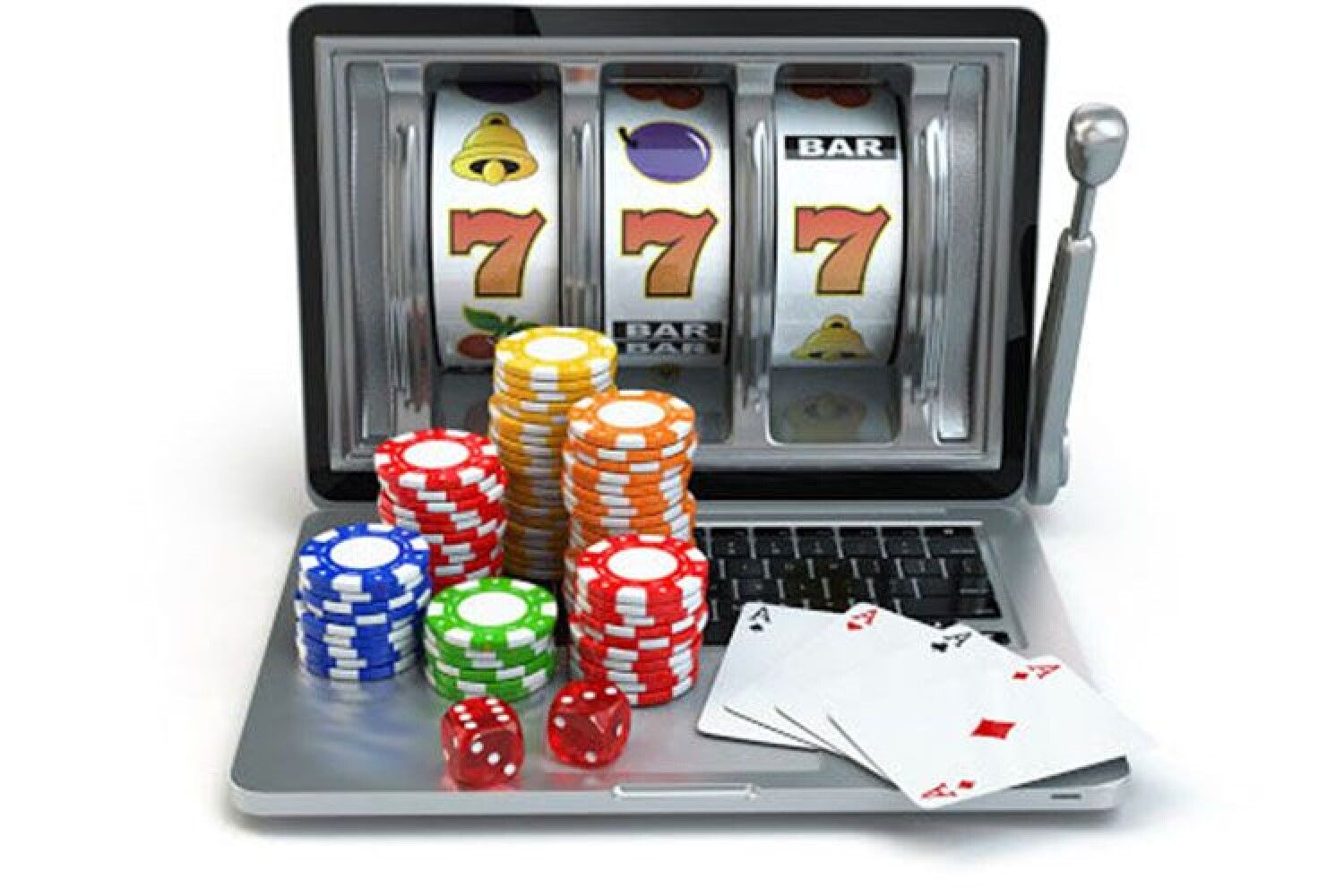
Additionally, some players may seek an escape from reality, using gambling as a means to cope with stress or personal issues. This escapism plays a significant role in gambling behavior, as individuals may indulge in games to temporarily forget their problems or to experience a sense of control and achievement. Understanding these motivational factors is crucial for casinos, as they tailor their environments to enhance these psychological rewards.
The Role of Environment in Shaping Behavior
The design and ambiance of a casino are carefully curated to influence player behavior. Bright lights, vibrant colors, and the sounds of winning create an exhilarating atmosphere that can keep players engaged for extended periods. Casinos often utilize strategies such as providing free drinks and snacks, which lower inhibitions and encourage longer playtimes. This sensory overload is intentional, aiming to enhance the excitement and draw players deeper into the experience.
Moreover, the layout of games and machines is strategically designed to create a sense of urgency and opportunity. The proximity of various gambling options often leads players to make impulsive decisions, which can contribute to larger betting behaviors. By creating an immersive environment, casinos effectively manipulate player psychology to maintain engagement and drive profitability.
Risk-Taking Behavior and Decision Making
Risk-taking is intrinsic to gambling, and understanding the psychology behind this behavior is essential for both players and casino operators. Many players exhibit a phenomenon known as ‘loss aversion,’ where the pain of losing is felt more intensely than the joy of winning. This can lead to chasing losses, where individuals continue to gamble in hopes of recouping their losses, often resulting in greater financial detriment.
Additionally, cognitive biases, such as the illusion of control, play a significant role in decision-making processes during gambling. Players may believe they can influence game outcomes despite the inherent randomness, leading to overconfidence in their abilities. This misperception can fuel further gambling, as individuals feel empowered to take risks they might otherwise avoid, thus impacting their overall gambling behavior considerably.
The Impact of Social Dynamics in Casinos
The social aspect of gambling cannot be understated. Casinos are often bustling with activity, and the presence of other players can significantly influence individual behavior. Social interactions can foster a competitive spirit, pushing players to take risks they might not consider when gambling alone. The communal experience of reacting to wins or losses heightens the emotional stakes, making the experience more enjoyable yet also potentially more dangerous.
Additionally, peer influence plays a vital role in gambling habits, particularly among groups. When friends or peers encourage each other to gamble, individuals may engage in higher-risk behaviors, often to maintain social cohesion. Understanding this social interplay helps casinos to craft promotions and events that capitalize on the collective experience, thereby enhancing participation and revenue.
Conclusion: Insights from Player Behavior Research
In summary, the psychology behind player behavior in casinos is complex and multifaceted. Factors such as motivation, environmental design, risk-taking tendencies, and social dynamics all contribute to how players engage with gambling activities. Casinos continuously study these behaviors to develop strategies that enhance player experience while ensuring profitability.
By exploring the psychological intricacies of gambling, we can better appreciate not only the allure of casinos but also the importance of responsible gaming practices. Understanding these elements encourages a more informed approach to gambling, benefiting both players and the industry as a whole.